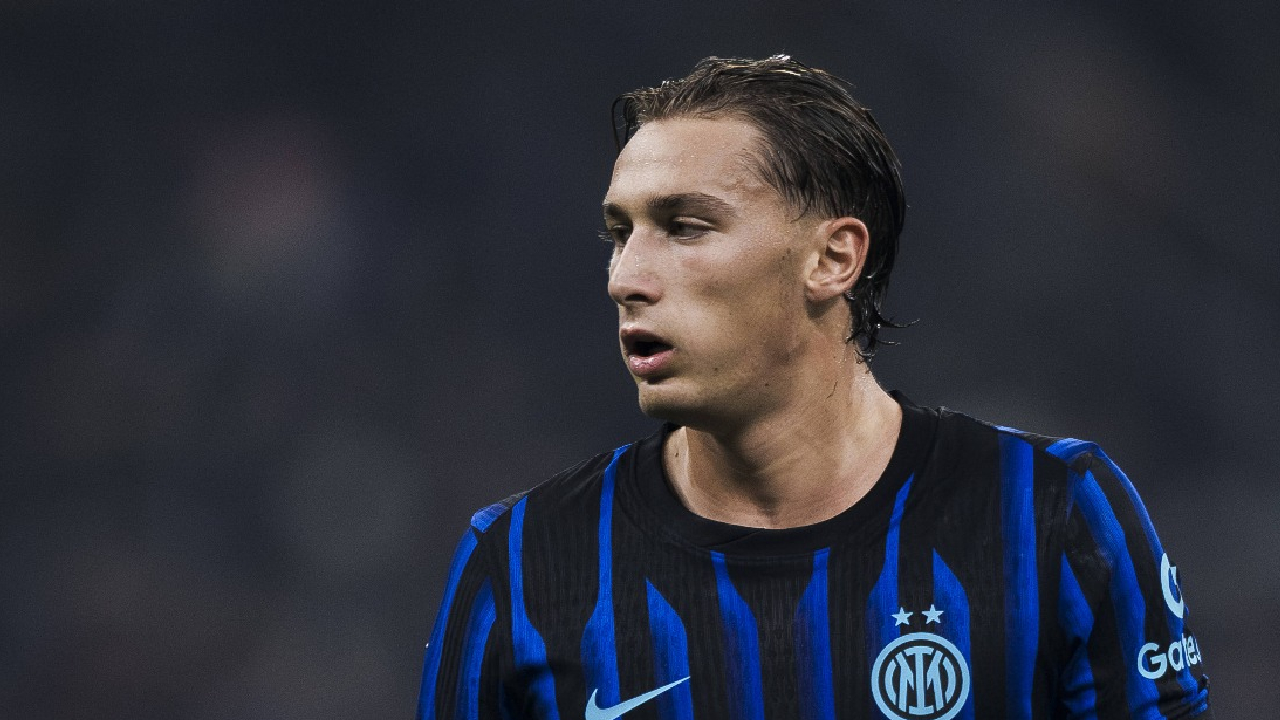
Fabregas: A Calculated Gamble in the Midfield Market?
The football world is a constant carousel of speculation, and few names spark as much debate as Cesc Fabregas. A player whose career has spanned multiple top-tier clubs and countless dazzling assists, Fabregas frequently finds himself at the heart of transfer whispers. Recently, renewed links have surfaced, prompting fans and pundits alike to ponder his potential role: is he a shrewd, cheap midfield option for a club looking for experience, or could he surprisingly be considered a fallback alternative to a superstar like Paul Pogba?
The conversation around Fabregas isn't new. A creative maestro known for his exceptional vision, passing range, and ability to dictate tempo, he has consistently been a player managers either adore or are wary of. His illustrious career, which saw him lift numerous trophies, including a World Cup, European Championship, and multiple domestic league titles, speaks volumes about his pedigree. Yet, as with many veteran players, questions often arise about his age, consistency, and defensive contributions, especially after a perceived dip in form in his "last season" at a club. This article delves into the tactical and financial implications of acquiring a player of Fabregas's stature in the modern game, exploring whether the risk outweighs the reward.
The "Cheap Option" Philosophy: Value vs. Volume
In an era of inflated transfer fees, the concept of a "cheap" acquisition holds significant appeal. When discussions about Cesc Fabregas emerge, particularly with the caveat of him coming "cheap," it immediately piques interest. What exactly constitutes 'cheap' for a player of his calibre? It likely implies a modest transfer fee, perhaps for a player entering the final year of his contract, or even a free transfer, coupled with a manageable wage structure. The allure here is clear: acquire a proven winner, a midfield general, without breaking the bank.
From a squad planning perspective, a 'cheap' Fabregas could offer immense value. He brings a wealth of experience, tactical intelligence, and a passing repertoire that few can match. For a team seeking to add depth, mentor younger players, or provide a temporary solution in a demanding league, Fabregas fits the bill perfectly. He understands the pressures of top-flight football and has performed under the brightest spotlights. His ability to unlock defences with a single pass remains undeniable, making him a potent weapon from deep-lying or advanced midfield positions. Such a signing isn't about building a team's future around him, but rather about bolstering the present with a high-quality, cost-effective asset.
However, the term "cheap" often comes with its own set of considerations. Will his physical demands match the intensity of a full season? Can he consistently deliver the high-level performances expected? Clubs must weigh the benefits of his undeniable quality on the ball against potential limitations in defensive duties or stamina. A pragmatic approach would see him as an integral part of a rotation, someone to provide moments of magic and control, rather than an undisputed 90-minute starter every week. This makes him an appealing option for clubs that already possess strong defensive midfielders and can afford to shield his creative brilliance.
Fabregas vs. Pogba: An Apples and Oranges Comparison?
The suggestion that Fabregas could be a "Pogba alternative" often raises eyebrows among football purists. These are two fundamentally different types of midfielders, designed for distinct roles within a team's structure. Paul Pogba is renowned for his powerful box-to-box runs, physical dominance, dribbling ability, and game-changing moments from both deeper and more advanced positions. He is a modern, dynamic midfielder capable of influencing play in all three thirds of the pitch, often through sheer athleticism and individual brilliance.
Fabregas, on the other hand, is a purer orchestrator. His game is built on intelligence, precision passing, and vision. He controls the tempo, threads incisive through balls, and dictates play from a deeper position. While he can contribute to goals and assists, his impact is more about the cerebral aspect of the game – manipulating space, creating angles, and dissecting defences with surgical accuracy. He is less about overpowering opponents physically and more about outthinking them.
Therefore, viewing Fabregas as a direct alternative to Pogba is likely a mischaracterisation. A team looking for Pogba's specific attributes – his athleticism, goal threat, and ability to break lines with powerful carries – would not find a like-for-like replacement in Fabregas. Instead, Fabregas would be an alternative *solution* for midfield creativity and control, fulfilling a different tactical need. If a manager, like Jose Mourinho, were considering Fabregas, it would be for his specific strengths in possession and chance creation, perhaps in a double pivot alongside a more defensively minded player, or as an attacking midfielder behind the striker. The two players represent different philosophies of midfield play, and understanding this distinction is crucial for any tactical assessment. For further insights into the strategic thinking behind such a move, explore Mourinho's Interest in Fabregas: A Strategic Move?.
Mourinho's Interest and the Fellaini Factor
The mention of Jose Mourinho's potential interest in Fabregas, suggesting he has "seen enough of him to want him again," adds another layer of intrigue. Mourinho famously worked with Fabregas at Chelsea, where the Spaniard played a pivotal role in title-winning campaigns, particularly during the 2014-15 season. This prior relationship provides a crucial context: Mourinho understands Fabregas's qualities, how to integrate him into a system, and crucially, how to get the best out of him. This trust and familiarity can often be more valuable than raw statistics, especially when considering a veteran player.
Mourinho's teams have often thrived with a deep-lying playmaker capable of distributing the ball quickly and accurately, allowing more dynamic players ahead of them to attack. Fabregas fits this mould perfectly. His ability to switch play, ping passes, and deliver pinpoint crosses from set-pieces would undoubtedly appeal to a manager known for his pragmatic and often direct approach. The idea that Mourinho might want him again suggests a clear tactical plan for his deployment, rather than a desperate, last-minute signing.
Comparing Fabregas to someone like Marouane Fellaini further highlights the distinct tactical roles. While Fellaini offered a unique physical presence, aerial threat, and late-game impact, he lacked the creative finesse and passing range of Fabregas. A team looking to control possession and build attacks from deeper areas would naturally gravitate towards Fabregas. If the choice is between these two profiles, and the objective is to elevate the team's technical quality in midfield, Fabregas represents a significant upgrade in terms of creative output and ball retention. It’s less about one being 'better' than the other in an absolute sense, and more about who is a better fit for a specific tactical need.
Navigating the "Last Season" Perceptions and Practical Advice
The caveat "especially after last season" looms large in any discussion about a potential Fabregas transfer. Every player experiences periods of fluctuating form, and for a veteran, these dips can sometimes be perceived as a terminal decline. However, football history is replete with examples of players who have revitalized their careers with a change of scenery, a new manager, or a different tactical system. Evaluating Fabregas requires looking beyond a single season's performance and considering his overall career trajectory and what he still brings to the table.
Practical Tips for Assessing a Veteran Midfield Signing:
- Role Clarity: Does the manager have a clear, defined role for him? Is he expected to be an undisputed starter, or a key rotation player?
- System Fit: Does his playing style complement the team's overall tactical approach? Can his strengths be maximised while his weaknesses are mitigated?
- Squad Balance: How does he fit into the existing squad? Does he add depth, experience, or a unique skill set that is currently lacking?
- Motivation: Is the player still hungry for success? A fresh challenge can often reignite a veteran's drive.
- Medical History: While often overlooked by fans, a thorough medical assessment is crucial for any player, especially one of Fabregas's age.
Ultimately, a move for Fabregas, particularly if he comes "cheap" and isn't intended to be the primary midfield acquisition, represents a calculated gamble. It's a bet on his enduring quality, his experience, and his ability to influence games with his exceptional passing. While his trophy cabinet is expansive, including Premier League titles, a World Cup, and European Championship, fans might wonder about his overall competitive longevity across various domestic cups. For example, while he never lifted the Coppa Italie during his career, his pedigree in other elite competitions is undeniable. A club considering him needs to be clear about their objectives and how he fits into their immediate plans.
Conclusion: A Master Orchestrator, Not a Direct Alternative
Cesc Fabregas remains a fascinating prospect in the transfer market. He is undeniably a master orchestrator, a midfielder whose intelligence and passing ability can unlock even the most stubborn defences. To label him merely a "cheap midfield option" undervalues his immense talent and experience, yet the economic aspect is certainly a significant draw. Equally, to position him as a direct alternative to a player like Paul Pogba misses the fundamental differences in their playing styles and what they offer a team. Fabregas is a creative hub, a tempo-setter, and a player who thrives on dictating play. Pogba is a dynamic, powerful presence who dominates physically and carries the ball forward with aggression.
The true value of Fabregas lies in his unique skill set and his capacity to elevate a team's technical quality and vision. If acquired under the right circumstances – at a reasonable price, with a clear tactical role, and as part of a balanced midfield strategy that doesn't rely solely on him to be the main signing – he could be an incredibly astute piece of business. His experience, leadership, and ability to still produce moments of magic make him a compelling addition, even in the twilight of his illustrious career. For a more in-depth discussion on the strategic considerations, check out Cesc Fabregas Transfer Talk: Worth the Gamble?. Ultimately, Fabregas represents a quality investment for clubs seeking a dose of midfield genius, provided they understand precisely what they are getting and how to best utilise his enduring talents.